

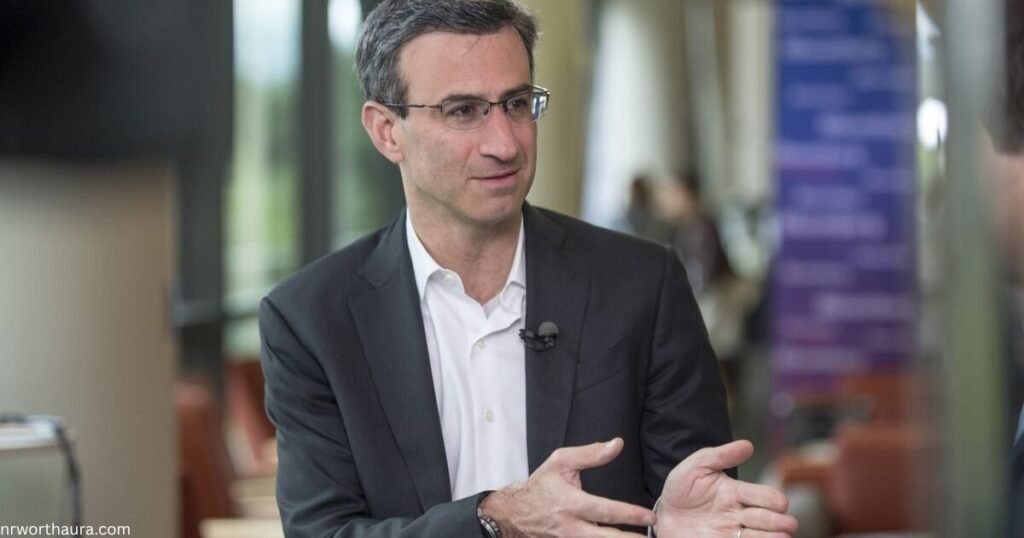
Search trends often reveal more about society than the individual being searched. The growing curiosity around “Peter Orszag Bald” is a perfect example of how public figures become subjects of broader cultural conversations about leadership, appearance, professionalism, and visibility in modern media. While Peter Orszag is widely recognized for his economic expertise, government service, and leadership roles in finance and public policy, online interest in his appearance demonstrates how audiences increasingly connect personal image with authority and public identity.
In today’s digital environment, visual impressions spread rapidly across search engines, news platforms, interviews, conference appearances, and social media discussions. Whether someone is a politician, economist, executive, or television commentator, appearance becomes part of the public narrative. The attention surrounding peter orszag bald searches is not merely about hair loss or aesthetics. It reflects the way audiences interpret confidence, maturity, credibility, and executive presence through visual cues.
Understanding Why Public Figures Become Appearance Search Trends
Search behavior has evolved dramatically over the last decade. Audiences no longer search exclusively for biographies, professional achievements, or policy positions. Instead, people increasingly look for highly specific details about public figures, including voice, clothing style, height, age, fitness, and appearance changes over time. The popularity of peter orszag bald related queries reflects this broader transformation in internet culture.
Modern search engines amplify curiosity because autocomplete suggestions guide users toward trending topics. Once enough people begin searching for a specific characteristic, the algorithm reinforces the trend. In many cases, searches about appearance become self-sustaining because people are curious why others are searching in the first place. This creates an ongoing cycle of visibility that has little to do with the individual’s core expertise.
Who Is Peter Orszag and Why Does Public Interest Follow Him?
Peter Orszag became nationally prominent through his work in economic policy, budget analysis, and government leadership. He served in influential roles tied to fiscal policy and later transitioned into executive leadership within the financial sector. His career spans government institutions, public commentary, academia, and corporate strategy, making him a highly visible figure across multiple industries.
Visibility naturally increases scrutiny. Public figures who appear frequently in televised interviews, economic panels, policy conferences, and media discussions inevitably attract attention that extends beyond their professional work. The interest surrounding peter orszag bald discussions illustrates how recognizable public figures become visual reference points in online culture, particularly when their image appears consistently across major media platforms.
The Relationship Between Appearance and Authority
Human psychology has long connected appearance with perceived competence. While expertise should ideally stand alone, audiences often form immediate judgments based on visual impressions. Baldness in particular has historically carried complex social associations, ranging from wisdom and seriousness to maturity and executive presence.
Research into leadership perception has repeatedly shown that people unconsciously associate certain physical traits with confidence and decisiveness. The continued interest in peter orszag bald topics demonstrates how audiences interpret visual identity as part of leadership branding. Even subtle appearance characteristics can become intertwined with perceptions of credibility and authority.
Baldness and Executive Image in Modern Professional Culture
The modern corporate world has significantly changed its perception of baldness. Decades ago, hair loss was often treated as something to conceal or correct. Today, many executives, political leaders, media personalities, and entrepreneurs embrace baldness openly, transforming it into a neutral or even advantageous aspect of professional identity.
This cultural shift matters because public audiences increasingly associate bald executives with decisiveness and confidence. In conversations surrounding peter orszag bald searches, the broader theme is often less about appearance itself and more about how visual identity influences executive perception. Public familiarity creates symbolic meaning, and repeated exposure reinforces those associations over time.
Media Visibility and the Amplification of Physical Characteristics
Television, photography, livestreams, and digital video have intensified attention on public appearance. High-definition cameras and constant media coverage make visual details more noticeable than ever before. Public figures are repeatedly viewed across interviews, conferences, hearings, and panel discussions, causing even minor visual traits to become defining characteristics in public perception.
The rise in peter orszag bald searches reflects how media repetition shapes audience memory. When individuals repeatedly see the same public figure in analytical or leadership settings, certain physical traits become shorthand identifiers. This phenomenon is especially common among economists, political analysts, commentators, and financial executives who maintain consistent media exposure over long periods.
Why Search Engines Reward Specific Curiosity
Search algorithms prioritize specificity because detailed searches often indicate stronger user intent. Broad searches like “Peter Orszag” may generate biographies or career information, while more focused queries attract niche engagement. Search engines recognize these patterns and continue surfacing related content when interest grows.
This explains why highly specific phrases like peter orszag bald become visible in autocomplete systems. Online ecosystems reward unusual or detailed searches because they frequently generate higher engagement. Users click, compare images, read commentary, and spend longer periods consuming related content, signaling relevance to the algorithm.
Public Curiosity and the Humanization of Experts
Experts in economics and policy are often viewed as highly intellectual or institutional figures. Appearance-related curiosity can paradoxically humanize them. People naturally seek relatable details about individuals who otherwise appear distant or highly specialized in their professional roles.
The interest surrounding peter orszag bald discussions may partly stem from this dynamic. Audiences often connect more strongly with public figures when they notice familiar human characteristics. This tendency reflects a broader social pattern in which audiences seek personal dimensions that make influential individuals feel more accessible and recognizable.
The Evolution of Professional Beauty Standards
Corporate and political beauty standards have shifted significantly in recent decades. Earlier eras emphasized rigid grooming expectations tied to conventional appearance norms. Modern audiences, however, increasingly prioritize authenticity, confidence, and clarity of communication over traditional aesthetic expectations.
This evolution has altered how baldness is perceived in leadership circles. Rather than being viewed negatively, it is often considered neutral or even distinguished. The persistence of peter orszag bald searches reveals how audiences continue negotiating these evolving standards while reassessing what professionalism looks like in public-facing leadership positions.
Internet Culture and Hyper-Specific Discussions
Online culture thrives on specificity. Communities across forums, social media platforms, and search ecosystems regularly focus on extremely detailed observations about public figures. These conversations may begin casually but often expand into larger discussions about media image, branding, or public perception.
The emergence of peter orszag bald as a recurring search phrase illustrates how internet culture magnifies niche interests into searchable trends. Once attention reaches a certain threshold, the topic becomes algorithmically reinforced, appearing in recommendations, related searches, and discussion threads across multiple platforms.
Leadership Branding Extends Beyond Professional Achievements
Modern public figures operate within a branding environment whether they intend to or not. Clothing choices, speaking style, facial expressions, posture, and appearance all contribute to a recognizable public identity. These factors collectively influence how audiences interpret expertise and authenticity.
For figures like Peter Orszag, public image becomes inseparable from professional visibility. The continued attention to peter orszag bald topics demonstrates how audiences absorb visual details as part of a broader leadership narrative. Branding is no longer limited to intentional marketing strategies; it also emerges organically through repeated public exposure.
How Political Figures Experience Appearance Scrutiny
Political and policy-oriented professionals often face unusually intense scrutiny because their credibility depends heavily on public trust. Media audiences evaluate not only their ideas but also their composure, confidence, and overall presentation. Physical appearance becomes intertwined with those assessments, sometimes unfairly.
Search interest in peter orszag bald topics reflects this broader phenomenon within political communication. Public audiences frequently analyze appearance as a proxy for traits like intelligence, discipline, reliability, or confidence. These perceptions may not be rational, but they remain influential in shaping public opinion.
The Corporate Executive Archetype
Popular culture has long portrayed bald executives as powerful decision-makers. Films, television series, and business media frequently reinforce this archetype by depicting bald leaders as authoritative, analytical, and commanding. Over time, these portrayals shape subconscious expectations.
As a result, discussions around peter orszag bald searches often intersect with larger ideas about executive identity. Audiences may unconsciously associate certain physical traits with strategic thinking or institutional leadership because those associations have been culturally reinforced for decades.
Search Trends Reveal Social Psychology
Search data offers insight into collective curiosity. Trends involving public appearance frequently reveal underlying cultural assumptions about aging, leadership, attractiveness, and professionalism. People search not only for information but also to validate perceptions shared by others.
The popularity of peter orszag bald related searches highlights how audiences process visual identity in leadership contexts. These searches may appear superficial on the surface, but they often reflect deeper questions about public image, authority, and cultural expectations surrounding influential figures.
Public Image in the Age of Digital Permanence
Unlike earlier generations of leaders, modern public figures exist within a permanent digital archive. Photos, videos, interviews, and commentary remain searchable indefinitely. This permanence intensifies attention on consistent visual traits because audiences repeatedly encounter the same imagery over many years.
The ongoing visibility of peter orszag bald discussions demonstrates how digital permanence reinforces identity markers. Once a particular visual characteristic becomes associated with a public figure, it remains part of the searchable narrative regardless of whether the individual actively addresses it.
The Difference Between Curiosity and Criticism
Not all appearance-related searches carry negative intent. In many cases, audiences are simply curious or attempting to confirm observations. Search behavior does not automatically imply mockery or judgment, even when the topic involves physical characteristics.
The recurring interest in peter orszag bald content appears largely rooted in recognition and curiosity rather than hostility. Public audiences often search for visible traits because those details help distinguish one well-known figure from another in a crowded media environment.
Executive Confidence and Visual Consistency
Consistency plays a major role in public recognition. Leaders who maintain a stable visual identity over time become easier for audiences to remember and trust. Whether intentional or not, appearance consistency contributes to familiarity, which can strengthen public credibility.
Peter Orszag’s recognizable image contributes to that familiarity. The continued presence of peter orszag bald searches reflects how visual consistency helps cement public memory. Audiences tend to associate familiar visual characteristics with continuity, expertise, and institutional experience.
Comparing Public Perception Across Leadership Sectors
Different industries interpret appearance differently. Technology sectors often reward casual authenticity, while finance and government traditionally emphasize polished professionalism. Yet baldness appears across all sectors without significantly limiting authority or visibility.
The following table highlights how appearance perception differs across leadership environments and why searches like peter orszag bald gain traction in public discourse.
| Sector | Typical Public Expectations | Role of Appearance | Baldness Perception |
| Politics | Confidence and trustworthiness | Highly scrutinized | Often linked to maturity |
| Finance | Precision and authority | Professional consistency matters | Common among senior executives |
| Media Commentary | Recognition and relatability | Frequent visual exposure | Neutral to positive |
| Academia | Expertise and intellectual depth | Lower emphasis overall | Rarely considered negative |
| Corporate Leadership | Strategic decisiveness | Executive branding important | Frequently associated with authority |
This comparison illustrates that appearance carries different weight depending on context. In high-visibility leadership sectors, consistent visual identity becomes especially influential in audience recognition and search behavior.
The Sociology of Appearance-Based Searches
Sociologists often describe appearance-based searches as forms of participatory observation. Audiences collectively analyze public figures because modern digital culture encourages ongoing commentary about visible traits and personal presentation.
The persistence of peter orszag bald queries reflects this participatory behavior. People engage with public figures not merely through policy ideas or professional achievements but through a broader cultural framework that includes style, demeanor, and recognizable physical characteristics.
Aging, Leadership, and Public Acceptance
Public attitudes toward aging have evolved substantially. Older leaders are increasingly valued for experience and institutional understanding, particularly in economics, finance, and policy strategy. Appearance markers associated with aging, including baldness, are often interpreted within that broader framework.
This helps explain why peter orszag bald searches coexist with perceptions of authority and expertise rather than undermining them. In many leadership environments, maturity enhances credibility, especially when paired with long-term professional accomplishment and media visibility.
Media Framing and Audience Interpretation
The way media outlets frame public figures significantly influences audience perception. Camera angles, lighting, photography choices, and interview settings all contribute to how audiences interpret personality and leadership presence.
Although discussions around peter orszag bald may appear spontaneous, they are partly shaped by repeated visual framing across television appearances and professional photography. Over time, audiences internalize those visual patterns and begin associating them with broader leadership narratives.
The Psychology of Recognition
Humans rely heavily on visual shortcuts for recognition. Distinctive appearance traits help audiences quickly identify public figures within crowded information environments. This recognition mechanism explains why appearance-focused searches often remain popular even when they seem trivial.
In the case of peter orszag bald searches, visual recognition likely plays a major role. Audiences may search using descriptive traits because they remember appearance details more readily than formal titles or institutional affiliations.
Public Figures and the Loss of Personal Privacy
Fame inevitably reduces privacy, even for individuals whose careers center on policy or economics rather than entertainment. Once someone becomes a recurring media presence, audiences begin discussing personal details that would otherwise remain irrelevant in ordinary professional contexts.
The visibility of peter orszag bald searches demonstrates how public attention extends beyond professional contributions into personal appearance. This dynamic reflects the broader reality of modern public life, where visibility invites scrutiny across nearly every dimension of identity.
The Influence of Social Media Commentary
Social media platforms amplify observations rapidly. A single visual comment or viral discussion can influence search behavior across the internet. Public curiosity expands as users encounter repeated references in posts, memes, or commentary threads.
Searches related to peter orszag bald likely benefit from this amplification effect. Once a topic circulates socially, search engines detect rising interest and further increase visibility through autocomplete suggestions and related recommendations.
Why Visual Identity Matters in Broadcast Media
Television and digital video rely heavily on visual memorability. Public figures who appear regularly on screen develop recognizable identities that audiences associate with expertise or commentary. Visual distinctiveness strengthens recall and audience familiarity.
For economists and policy analysts, recognizable appearance can actually enhance media effectiveness. Discussions involving peter orszag bald reflect how audiences process visual familiarity alongside intellectual credibility when consuming broadcast content.
The Role of Authenticity in Modern Leadership
Modern audiences increasingly value authenticity over polished perfection. Leaders who appear comfortable with their natural appearance often project confidence and relatability. Attempts to conceal or aggressively alter appearance can sometimes undermine credibility instead.
The broader conversation surrounding peter orszag bald topics intersects with this authenticity trend. Audiences frequently respond positively to leaders who appear self-assured and unconcerned with rigid image expectations, particularly in professional and intellectual fields.
How Search Intent Shapes Content Creation
Publishers create content based on demonstrated search demand. Once a keyword gains traction, websites produce articles designed to capture audience attention. This process reinforces search visibility and expands the topic’s digital footprint.
The emergence of multiple online references connected to peter orszag bald illustrates how content ecosystems respond to niche curiosity. Search intent drives editorial decisions, especially when publishers recognize opportunities for sustained engagement and traffic.
Misconceptions About Appearance and Competence
Despite cultural progress, misconceptions about appearance still influence professional judgments. Some audiences unconsciously equate attractiveness with intelligence or authority, even when no logical connection exists. These biases persist across industries and media formats.
At the same time, baldness has increasingly escaped negative stereotypes in leadership settings. The attention around peter orszag bald demonstrates how appearance discussions can evolve from superficial curiosity into broader reflections on professional perception and cultural bias.
Economic Experts as Public Personalities
Economists were once relatively invisible outside academic or governmental circles. Today, many serve as television analysts, podcast guests, conference speakers, and influential commentators. Increased visibility naturally increases public familiarity with personal appearance.
Peter Orszag belongs to this modern class of public intellectuals whose image becomes recognizable beyond specialized policy communities. As a result, searches involving peter orszag bald mirror the celebrity-like attention increasingly directed toward prominent economic experts.
Visual Branding Without Intention
Not every public figure intentionally cultivates a visual brand. Sometimes consistency alone creates a recognizable identity. Audiences begin associating certain visual cues with expertise, leadership, or media authority even without deliberate branding efforts.
This phenomenon helps explain why peter orszag bald remains a recurring search phrase. Public familiarity emerges through repetition, and repeated exposure transforms ordinary characteristics into memorable identity markers within digital culture.
The Broader Conversation About Male Appearance
Discussions about male appearance have become increasingly mainstream. Hair loss, grooming, aging, and style are now openly discussed in professional and cultural contexts that previously ignored them. Public figures often become reference points within these conversations.
The visibility of peter orszag bald searches reflects this broader normalization. Baldness is no longer treated solely as a private concern but as part of wider discussions about confidence, aging, and professional identity among men in leadership roles.
Why Audiences Fixate on Small Details
Audiences often focus on small details because they create a sense of familiarity and recognition. Minor appearance traits become conversational shorthand that helps people identify and remember public figures across media environments.
Searches related to peter orszag bald demonstrate how seemingly small observations can evolve into durable digital trends. Once enough users engage with a specific detail, it becomes part of the searchable public narrative surrounding that individual.
The Importance of Media Training
Public figures frequently receive media training focused on communication, body language, and presentation. Visual consistency and confidence are considered important because audiences interpret nonverbal cues as indicators of credibility.
Although appearance itself may not define expertise, the persistence of peter orszag bald discussions illustrates why media professionals pay attention to public perception. Visual identity contributes to overall audience engagement, especially in high-visibility roles.
Public Recognition Versus Personal Identity
There is often a gap between how individuals see themselves and how the public perceives them. Public audiences simplify complex personalities into recognizable characteristics that are easier to remember and discuss.
For Peter Orszag, public recognition may increasingly include visual descriptors connected to recurring search behavior. The phrase peter orszag bald reflects how digital audiences compress public identity into memorable and searchable shorthand.
Confidence as a Leadership Signal
Confidence remains one of the most valued traits in leadership. Audiences interpret visible self-assurance as evidence of competence, especially in high-pressure sectors like finance, economics, and politics. Appearance can influence these impressions even when it should not logically matter.
A widely repeated observation in leadership psychology states, “People often decide whether to trust authority before they fully understand expertise.” This insight helps explain why appearance-related searches such as peter orszag bald continue attracting attention despite the individual’s far more significant professional accomplishments.
The Economics of Online Attention
Attention itself functions as a form of digital currency. Search traffic, clicks, engagement time, and content sharing all contribute to online visibility. Highly specific searches frequently perform well because they target focused curiosity and generate longer engagement sessions.
The recurring popularity of peter orszag bald queries demonstrates how niche topics thrive within the broader economics of internet attention. Search ecosystems reward specificity because it signals active audience interest rather than passive browsing behavior.
Professional Image in Financial Leadership
Financial leaders operate within industries where trust and authority are critical. Public confidence often depends on perceived composure and stability. As a result, visual presentation can subtly influence how executives are received by investors, media audiences, and policy stakeholders.
The broader conversation around peter orszag bald intersects with these dynamics because recognizable appearance contributes to executive familiarity. Familiarity, in turn, can strengthen perceived reliability in high-stakes professional environments.
Search Curiosity and Digital Identity
Digital identity is increasingly shaped by what audiences search rather than what individuals intentionally publish. Public figures may become associated with topics they never personally discuss simply because search trends evolve independently of personal control.
This reality is visible in the continued interest surrounding peter orszag bald discussions. Search patterns create parallel narratives that coexist alongside professional biographies, media appearances, and institutional achievements.
Why Baldness Is No Longer Professionally Limiting
Corporate culture once encouraged concealment of aging-related appearance changes. Today, that expectation has weakened considerably. Many influential leaders openly embrace baldness without any apparent impact on authority, visibility, or career advancement.
The ongoing attention to peter orszag bald topics reflects this normalization. Rather than signaling weakness or decline, baldness often carries neutral or positive associations connected to experience, seriousness, and executive maturity.
The Intersection of Visibility and Memorability
Public visibility depends heavily on memorability. Media audiences encounter thousands of faces across digital platforms, making distinctive recognition increasingly valuable. Consistent appearance helps audiences quickly recall individuals they trust or follow regularly.
This helps explain why peter orszag bald remains a durable search phrase. Search behavior often follows recognition patterns, and recognizable visual identity strengthens online recall across interviews, articles, conferences, and television appearances.
Audience Expectations for Public Experts
Modern audiences expect experts to be both knowledgeable and media-friendly. Public intellectuals are increasingly judged on communication style, accessibility, and visual presentation alongside technical expertise.
Peter Orszag’s public profile reflects this broader transformation. The attention surrounding peter orszag bald searches demonstrates how expert visibility now includes cultural and visual dimensions that extend beyond policy analysis or financial strategy.
Search Trends and the Curiosity Economy
The internet operates on curiosity. Platforms optimize for engagement by surfacing topics that attract clicks and discussion. Even relatively minor observations can evolve into searchable trends if they trigger enough audience interest.
The persistence of peter orszag bald as a keyword illustrates how the curiosity economy functions. Audiences search because others search, creating compounding momentum that keeps niche topics active across digital ecosystems.
The Lasting Impact of First Impressions
First impressions strongly influence public memory. Once audiences associate a public figure with a particular appearance or communication style, that perception often persists for years. Repeated media exposure reinforces those initial impressions over time.
In the context of peter orszag bald discussions, visual familiarity likely contributes to lasting audience recognition. Public perception becomes anchored around memorable characteristics that simplify identification in fast-moving media environments.
Leadership Presence Beyond Appearance
Ultimately, leadership presence extends far beyond physical appearance. Communication skill, expertise, judgment, and decision-making remain the true foundations of professional authority. Yet visual identity continues influencing how audiences initially interpret those qualities.
The broader interest in peter orszag bald topics reveals the tension between substance and presentation in modern public life. While appearance attracts curiosity, long-term credibility still depends on performance, insight, and consistent professional achievement.
Conclusion
The sustained interest surrounding peter orszag bald searches says as much about modern digital culture as it does about Peter Orszag himself. In today’s media landscape, public figures are evaluated not only through their work but also through visual identity, consistency, and recognizability. Search behavior reflects collective curiosity, cultural assumptions, and the growing role of appearance in public perception.
What makes this topic especially interesting is that it connects multiple broader themes: leadership psychology, executive branding, media visibility, aging, authenticity, and the economics of online attention. Baldness, once treated as a sensitive or limiting characteristic, is increasingly viewed as neutral or even authoritative within professional environments. Public audiences now associate confidence and expertise with a much wider range of appearances than in previous decades.
Peter Orszag’s career remains rooted in economics, policy, finance, and institutional leadership. Yet the popularity of appearance-based searches demonstrates how digital audiences engage with public figures in multidimensional ways. The internet encourages hyper-specific curiosity, and search engines amplify whatever captures attention long enough to become culturally recognizable.
In the end, the conversation surrounding peter orszag bald highlights a simple truth about modern visibility: once someone becomes a recognizable public figure, every aspect of identity can become part of the broader public narrative. Appearance may spark curiosity, but lasting influence still comes from expertise, communication, and sustained professional impact.
FAQ
Why do people search for peter orszag bald?
Many people search for peter orszag bald because public audiences are naturally curious about recognizable figures and their appearance. Search trends often expand around highly visible media personalities and executives.
Is baldness viewed negatively in leadership roles today?
Modern leadership culture generally views baldness far more positively than in previous decades. Discussions connected to peter orszag bald often reflect perceptions of maturity, confidence, and executive authority.
Does appearance influence public trust in experts?
Yes, appearance can influence first impressions and public trust, even when expertise should matter more. Searches involving peter orszag bald reflect broader cultural connections between visual identity and leadership perception.
Why do search engines promote specific appearance-related keywords?
Search engines prioritize topics that generate consistent engagement and user curiosity. Once enough users search for phrases like peter orszag bald, algorithms reinforce the trend through autocomplete and related searches.
Has media exposure increased public interest in appearance?
Constant media visibility has significantly increased attention on appearance details. Frequent television interviews and online videos make public figures more visually recognizable, contributing to searches like peter orszag bald.
Does baldness affect professional success in finance or politics?
There is little evidence that baldness negatively affects professional success in high-level leadership roles today. In many industries, the associations connected to peter orszag bald style discussions are often neutral or positive.
Why are people interested in small details about public figures?
Audiences often focus on small details because they create familiarity and memorability. The popularity of peter orszag bald searches demonstrates how visual recognition becomes part of public identity online.
You May Also Read Foxfiny Com


