

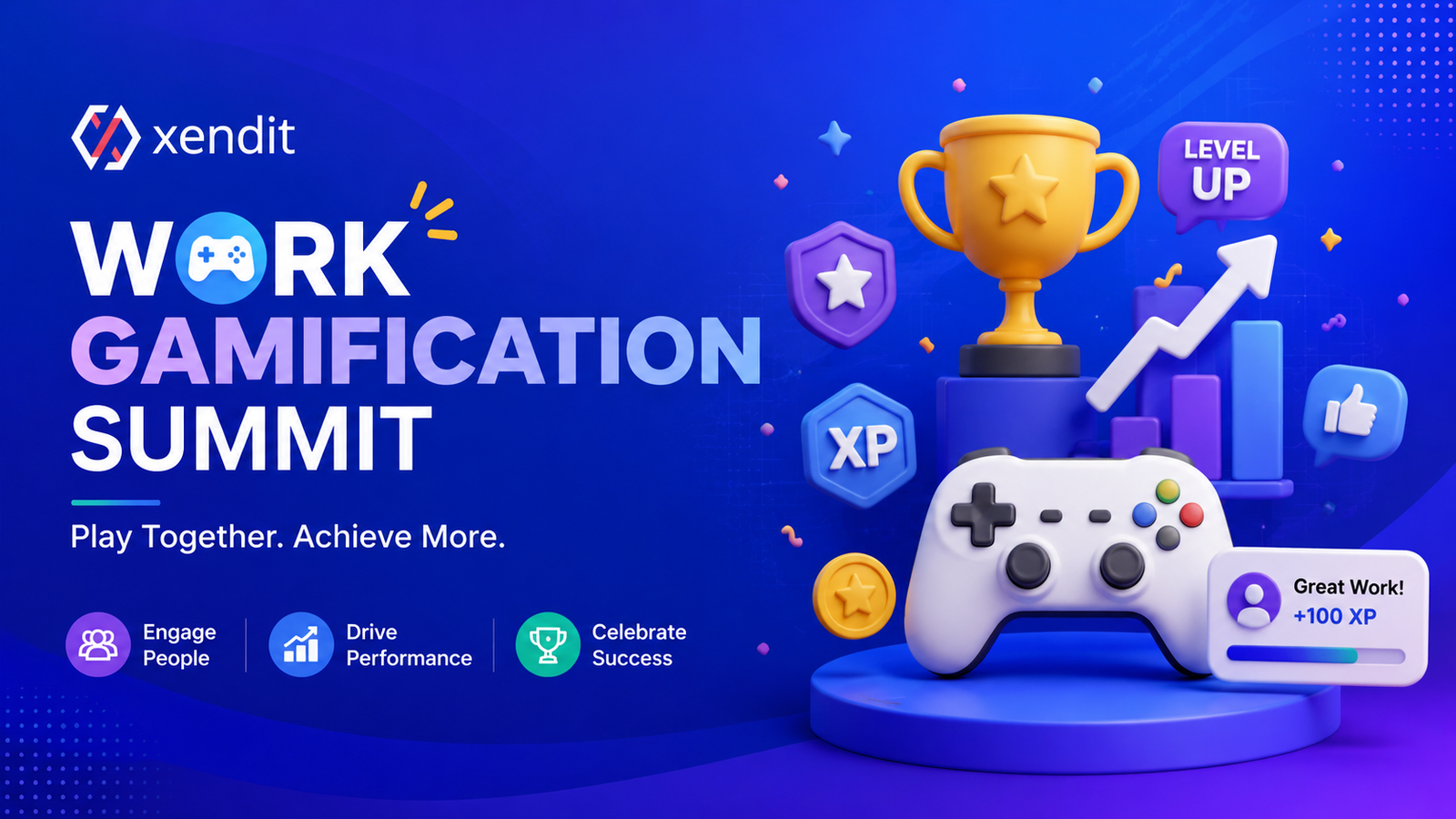
Xendit Work GamificationSummit Organizations around the world are searching for better ways to engage employees, strengthen workplace culture, and improve performance without relying solely on traditional management methods. As work environments become increasingly digital, distributed, and fast-paced, companies need innovative approaches that encourage participation, motivation, and continuous growth. One concept gaining substantial attention is gamification, and events centered on this topic are becoming influential platforms for learning and transformation.
The xendit work gamificationsummit represents a growing conversation around how organizations can leverage game-inspired principles to create more productive, collaborative, and rewarding workplaces. Rather than treating work as a series of isolated tasks, gamification introduces systems that make progress visible, goals meaningful, and achievements recognized. This approach aligns naturally with modern workforce expectations, where employees seek purpose, feedback, and opportunities for development.
Understanding the Growing Importance of Workplace Gamification
Workplace gamification refers to the strategic application of game mechanics, behavioral design principles, and engagement frameworks within professional environments. Instead of turning work into a literal game, organizations use concepts such as points, achievements, challenges, milestones, progress tracking, and recognition systems to motivate positive behaviors.
The growing relevance of workplace gamification reflects major shifts in employee expectations. Modern professionals increasingly value autonomy, feedback, learning opportunities, and meaningful recognition. Gamification addresses these needs by creating transparent pathways for growth while making everyday work more engaging and rewarding.
The Vision Behind Xendit Work GamificationSummit
The xendit work gamificationsummit highlights how organizations can transform employee experiences through innovative engagement strategies. Rather than focusing exclusively on productivity metrics, the event emphasizes the broader relationship between motivation, performance, collaboration, and organizational success.
At its core, the summit encourages leaders to rethink workplace systems. Instead of relying solely on top-down management structures, companies can build environments where employees actively participate in achieving goals, solving problems, and driving continuous improvement through carefully designed engagement frameworks.
Why Employee Engagement Has Become a Strategic Priority
Employee engagement is no longer viewed as a human resources initiative alone. Organizations increasingly recognize that engagement influences productivity, retention, customer satisfaction, innovation, and overall business performance. Highly engaged teams often demonstrate stronger commitment and resilience during periods of change.
Research across industries consistently shows that disengagement creates hidden costs. Reduced productivity, increased turnover, lower morale, and weakened collaboration can significantly affect organizational outcomes. Events such as the xendit work gamificationsummit help leaders explore practical methods for addressing these challenges.
The Evolution of Gamification in Professional Settings
Early workplace gamification programs often focused on simple point systems or leaderboards. While these tools generated initial excitement, many organizations discovered that sustainable engagement requires a more sophisticated understanding of human motivation.
Modern gamification strategies incorporate behavioral science, psychology, learning theory, and user experience design. Rather than rewarding activity alone, successful programs support mastery, purpose, collaboration, and personal growth. This evolution has elevated gamification from a novelty to a strategic organizational capability.
Core Principles That Drive Effective Gamification
Effective gamification begins with clarity. Employees need to understand expectations, goals, and pathways to success. Transparent systems reduce ambiguity and help individuals connect their daily work to broader organizational objectives.
Equally important is meaningful feedback. People are naturally motivated when they can see progress, receive recognition, and understand how their contributions create impact. Gamified systems provide frequent feedback loops that reinforce positive behaviors and encourage continuous improvement.
The Psychology Behind Workplace Motivation
Human motivation is influenced by multiple factors, including achievement, autonomy, competence, connection, and purpose. Gamification works because it aligns with these intrinsic drivers while providing visible markers of progress and accomplishment.
Behavioral psychology suggests that timely recognition and measurable progress can significantly influence engagement. When employees experience a sense of achievement and advancement, they are more likely to remain committed to goals and participate actively in organizational initiatives.
How Recognition Systems Influence Performance
Recognition remains one of the most powerful yet underutilized workplace tools. Employees who feel appreciated are often more willing to contribute discretionary effort, collaborate with colleagues, and invest in long-term organizational success.
The xendit work gamificationsummit explores how recognition systems can move beyond annual awards or periodic acknowledgments. Modern platforms enable continuous recognition that reinforces desired behaviors and strengthens workplace culture throughout the year.
The Connection Between Learning and Gamification
Learning and development programs frequently struggle with participation and completion rates. Employees often view training as an obligation rather than an opportunity, leading to reduced engagement and limited knowledge retention.
Gamification changes this dynamic by introducing challenges, achievements, progression systems, and interactive experiences. These elements create momentum and encourage employees to engage more actively with educational content, ultimately improving learning outcomes.
Building Stronger Workplace Cultures Through Engagement
Xendit Work GamificationSummit Culture is shaped by everyday behaviors, interactions, and decisions. Organizations cannot simply define a culture statement and expect it to become reality. Employees must consistently experience the values and behaviors that leaders wish to promote.
Gamified systems help reinforce cultural priorities by rewarding actions that align with organizational values. Whether the goal is collaboration, innovation, customer focus, or continuous learning, engagement frameworks can support the desired cultural transformation.
How Xendit Work GamificationSummit Is Transforming Employee Engagement
The xendit work gamificationsummit highlights how modern organizations are rethinking employee engagement through gamification principles. By combining behavioral psychology, recognition systems, and performance tracking, companies can create more motivating work environments.
Employees today expect more than traditional management approaches. The summit demonstrates how interactive engagement frameworks can increase participation, strengthen workplace culture, and encourage continuous professional growth across teams.
Key Gamification Strategies Discussed at Xendit Work GamificationSummit
Xendit Work GamificationSummit One of the major themes explored during the xendit work gamificationsummit is the strategic use of rewards, milestones, badges, and achievement systems. These mechanisms help employees visualize progress and stay focused on organizational goals.
Successful gamification extends beyond simple incentives. The most effective programs align game-inspired elements with business objectives, ensuring that engagement efforts contribute directly to productivity, learning, and collaboration.
Business Benefits of Implementing Workplace Gamification
Organizations that adopt workplace gamification often experience improvements in employee retention, training completion, and overall job satisfaction. The xendit work gamificationsummit showcases how these outcomes can create measurable business value.
When employees receive regular feedback and recognition, they are more likely to remain committed to organizational goals. This increased engagement can positively influence innovation, customer experience, and long-term operational performance.
Future Workplace Trends Emerging From Xendit Work GamificationSummit
The xendit work gamificationsummit reflects broader workplace trends centered on employee experience, digital transformation, and personalized development pathways. Companies are increasingly investing in systems that make work more meaningful and rewarding.
As artificial intelligence, analytics, and engagement technologies continue to evolve, gamification is expected to become a core component of workforce strategy. Organizations that embrace these innovations will be better positioned to attract talent and maintain competitive advantage.
The Role of Leadership in Gamified Environments
Leadership remains essential even in highly automated engagement systems. Technology can provide feedback and recognition, but leaders establish the vision, priorities, and cultural context that determine whether gamification succeeds.
Successful leaders use gamification as a complement to effective management rather than a replacement. They communicate purpose, encourage participation, recognize achievements, and ensure that engagement initiatives align with broader organizational goals.
Digital Transformation and Employee Experience
As organizations adopt new technologies, employee experience becomes increasingly important. Digital transformation efforts often fail when employees resist change or struggle to adapt to new processes and systems.
Gamification can ease these transitions by making adoption more engaging and rewarding. Through milestones, progress indicators, and achievement systems, organizations can encourage employees to embrace change and develop new skills more effectively.
Creating Meaningful Progress Indicators
Progress indicators provide visible evidence that effort leads to advancement. Whether represented through levels, badges, certifications, or milestones, these mechanisms help employees understand their development journey.
The xendit work gamificationsummit often emphasizes the importance of designing progress systems that reflect meaningful accomplishments rather than superficial activity. Employees should feel that advancement represents genuine growth and contribution.
Collaboration as a Competitive Advantage
Modern organizations increasingly depend on cross-functional teamwork. Complex challenges require diverse perspectives, making collaboration a critical driver of innovation and success.
Gamification can strengthen collaboration by rewarding team achievements, encouraging knowledge sharing, and creating collective goals. These approaches help employees view success as a shared outcome rather than an individual competition.
Balancing Competition and Cooperation
Competition can motivate performance, but excessive competition may undermine teamwork and trust. Effective gamification programs carefully balance competitive elements with collaborative incentives.
Organizations that succeed in this area create environments where employees strive for excellence while supporting one another. This balanced approach fosters healthy motivation without generating unnecessary conflict or disengagement.
Common Misconceptions About Workplace Gamification
One common misconception is that gamification trivializes work. In reality, effective programs focus on enhancing motivation, clarity, and engagement rather than turning professional responsibilities into entertainment.
Another misconception is that leaderboards alone constitute gamification. Sustainable engagement requires comprehensive design that incorporates recognition, feedback, progression, purpose, and meaningful rewards aligned with organizational objectives.
Measuring Success in Gamified Workplaces
Organizations must establish clear metrics to evaluate gamification initiatives. These measurements may include engagement rates, training completion, employee satisfaction, retention, productivity, and performance outcomes.
Data-driven evaluation ensures that gamification remains aligned with business goals. Rather than relying on assumptions, leaders can use measurable results to refine strategies and maximize impact over time.
Key Components of a Successful Gamification Strategy
The most effective workplace gamification programs share several foundational elements. They prioritize clarity, meaningful participation, transparent rewards, continuous feedback, and alignment with organizational objectives.
Long-term success also requires adaptability. Employee needs evolve, business priorities change, and engagement systems must remain relevant. Continuous optimization helps organizations maintain enthusiasm and effectiveness.
Workplace Gamification Framework Comparison
| Element | Traditional Management Approach | Gamified Workplace Approach | Potential Outcome |
| Feedback | Periodic reviews | Continuous feedback loops | Faster improvement |
| Recognition | Annual awards | Ongoing acknowledgment | Higher engagement |
| Learning | Passive training | Interactive progression | Better retention |
| Goal Tracking | Static reports | Real-time visibility | Greater accountability |
| Collaboration | Informal encouragement | Structured team challenges | Stronger teamwork |
| Motivation | External directives | Internal and external drivers | Sustainable performance |
| Development | Generic pathways | Personalized progression | Enhanced growth |
| Participation | Required involvement | Voluntary engagement incentives | Increased adoption |
The Importance of Personalized Experiences
Employees are motivated by different factors. Some value recognition, while others prioritize skill development, collaboration, autonomy, or career advancement. Effective gamification acknowledges these differences.
Personalized engagement systems allow employees to pursue goals that align with their interests and aspirations. This flexibility increases participation and creates more meaningful experiences across diverse workforce populations.
Innovation Through Behavioral Design
Behavioral design combines psychology, data, and user experience principles to influence positive actions. Organizations increasingly use these concepts to improve productivity, learning, and engagement outcomes.
The xendit work gamificationsummit showcases how behavioral design can create environments that naturally encourage desired behaviors. By reducing friction and increasing motivation, organizations can support sustainable performance improvements.
Supporting Remote and Hybrid Teams
Remote and hybrid work models have transformed organizational dynamics. While these arrangements offer flexibility, they can also create challenges related to communication, engagement, and cultural connection.
Gamification provides mechanisms for maintaining visibility, recognition, and participation across distributed teams. Employees remain connected to organizational goals even when working from different locations and schedules.
Employee Retention and Workplace Satisfaction
Retention remains a major concern across industries. High turnover increases recruitment costs, disrupts operations, and weakens institutional knowledge.
Engagement-focused initiatives help address these challenges by creating more rewarding employee experiences. When individuals feel recognized, supported, and connected to organizational goals, they are more likely to remain committed over the long term.
Creating Sustainable Engagement Programs
Short-term enthusiasm does not guarantee lasting results. Organizations often launch engagement initiatives with excitement only to see participation decline after the novelty fades.
Sustainable gamification focuses on meaningful experiences rather than temporary incentives. Programs must evolve, provide ongoing value, and support genuine employee growth to maintain long-term effectiveness.
Data Analytics and Performance Insights
Modern engagement platforms generate valuable data about participation patterns, learning behaviors, collaboration trends, and performance outcomes. These insights help organizations make more informed decisions.
Analytics enable leaders to identify strengths, address challenges, and optimize engagement strategies. Rather than relying solely on intuition, organizations can use evidence-based approaches to improve employee experiences.
Aligning Business Goals With Employee Motivation
Successful organizations recognize that business objectives and employee aspirations should reinforce one another. When individuals understand how their work contributes to organizational success, engagement naturally increases.
Gamification creates visible connections between daily activities and broader outcomes. Employees gain clarity regarding priorities while organizations benefit from improved alignment and accountability.
Practical Applications Across Industries
Workplace gamification is not limited to technology companies. Healthcare organizations use gamification for training, financial institutions apply it to compliance education, and retail businesses leverage it to improve sales performance.
The flexibility of gamification makes it applicable across diverse industries and organizational contexts. Its principles can be adapted to support virtually any engagement or development objective.
The Future of Employee Engagement
Employee engagement continues to evolve alongside technological advancement, workforce expectations, and organizational transformation. Companies are increasingly focused on creating experiences rather than simply managing processes.
The xendit work gamificationsummit reflects this shift toward experience-driven workplaces. As engagement technologies become more sophisticated, organizations will gain new opportunities to support motivation, learning, and performance.
Why Organizations Are Paying Attention
Business leaders increasingly recognize that engagement influences nearly every aspect of organizational performance. From innovation and customer experience to retention and productivity, engaged employees contribute significant value.
As a result, interest in events such as the xendit work gamificationsummit continues to grow. Leaders seek practical insights, proven strategies, and emerging trends that can help them build stronger and more resilient organizations.
Lessons for Modern Business Leaders
Modern leadership requires balancing performance expectations with employee well-being and development. Organizations that focus exclusively on outcomes may struggle to sustain engagement over time.
Effective leaders understand that motivation, recognition, growth, and purpose are essential components of long-term success. Gamification provides a framework for integrating these elements into everyday work experiences.
Building a Culture of Continuous Improvement
Continuous improvement depends on consistent learning, experimentation, and adaptation. Organizations that encourage employees to seek progress rather than perfection often achieve stronger long-term results.
Gamified systems support this mindset by rewarding effort, learning, and incremental advancement. Employees become more willing to embrace challenges and pursue growth opportunities when progress is visible and celebrated.
Strategic Takeaways From Xendit Work GamificationSummit
The xendit work gamificationsummit highlights a fundamental reality of modern work: engagement is no longer optional. Organizations that create meaningful employee experiences are better positioned to attract talent, retain high performers, and adapt to change.
The event also reinforces the importance of thoughtful design. Successful gamification is not about points or badges alone; it is about creating systems that align human motivation with organizational objectives in sustainable and measurable ways.
Conclusion
The xendit work gamificationsummit represents a broader movement toward smarter, more engaging, and more human-centered workplaces. As organizations navigate changing workforce expectations, gamification offers practical tools for strengthening motivation, learning, collaboration, and performance.
The most successful organizations understand that engagement is not a one-time initiative but an ongoing commitment. By combining behavioral insights, thoughtful design, meaningful recognition, and clear goals, businesses can create environments where employees thrive and organizational success becomes more sustainable.
As management expert Peter Drucker famously observed, “The best way to predict the future is to create it.” Organizations that embrace innovative engagement strategies today are actively shaping the future of work rather than merely reacting to it.
FAQ
What is xendit work gamificationsummit?
The xendit work gamificationsummit is a concept centered on workplace gamification, employee engagement, behavioral design, and performance improvement through modern organizational practices.
Why is workplace gamification important?
Workplace gamification improves motivation, participation, recognition, learning outcomes, and collaboration. The xendit work gamificationsummit explores these benefits in depth.
Can gamification improve employee retention?
Yes. Effective engagement programs help employees feel valued and connected to organizational goals, which can positively influence retention and satisfaction.
Does gamification only work for technology companies?
No. Organizations across healthcare, finance, retail, education, and many other industries use gamification to support learning, engagement, and performance.
How does xendit work gamificationsummit support business leaders?
The xendit work gamificationsummit provides insights into employee motivation, organizational culture, leadership strategies, and practical applications of gamification in modern workplaces.
What are the most important elements of successful gamification?
Clear goals, meaningful recognition, continuous feedback, progress tracking, personalized experiences, and alignment with business objectives are among the most important factors.
You May Also Read Competitive Edge TheSerpentRogue


