

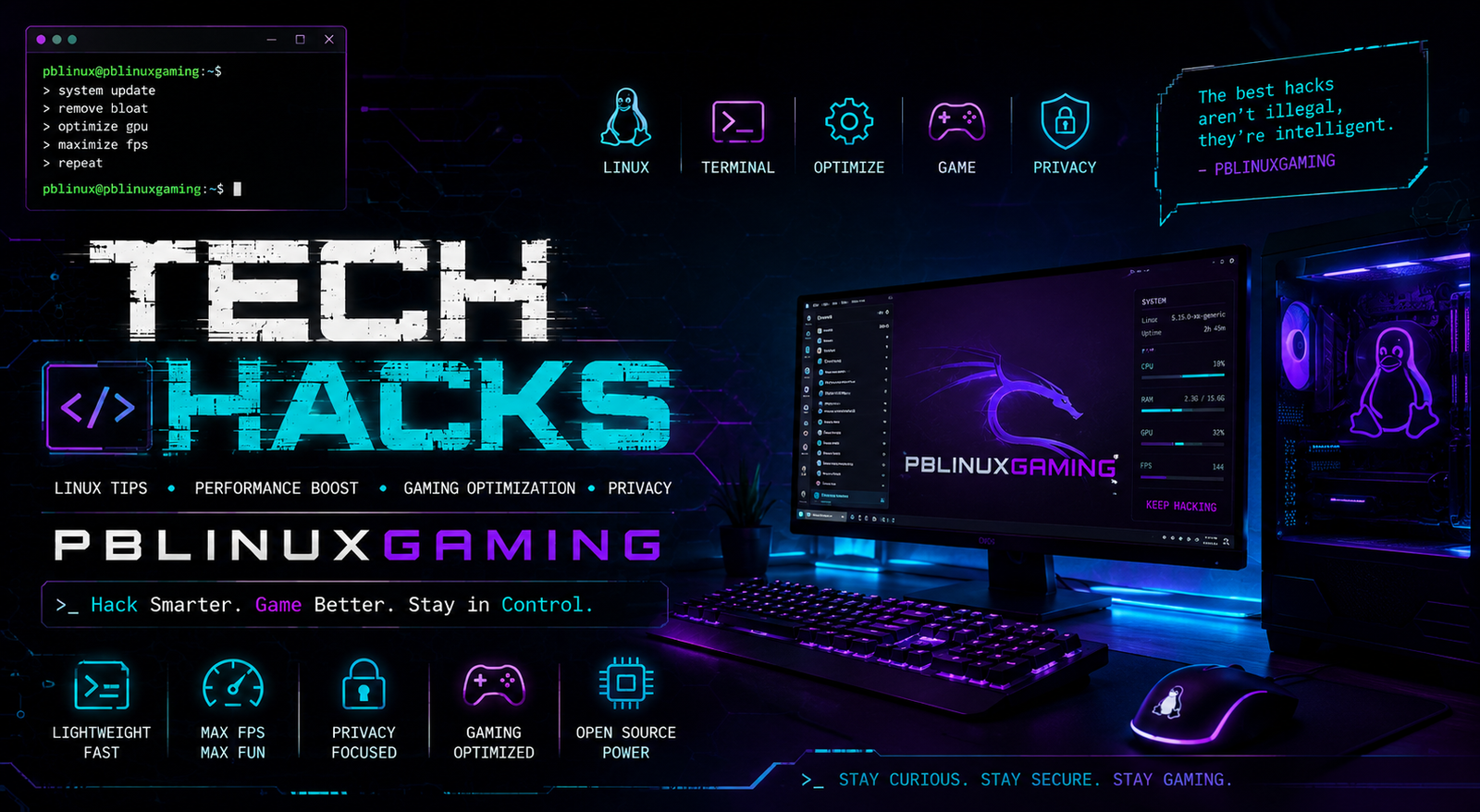
Tech Hacks PBLinuxGaming has evolved from a niche hobby into a serious platform capable of delivering impressive performance, flexibility, and customization. As more gamers explore open-source operating systems, the demand for reliable optimization strategies continues to grow. This is where tech hacks pblinuxgaming has become a valuable concept, representing practical techniques, performance tweaks, and workflow improvements that help players maximize their Tech Hacks PBLinuxGaming experience.
Whether you are a newcomer installing your first Linux distribution or an experienced enthusiast building a high-performance Tech Hacks PBLinuxGaming environment, understanding the principles behind smart optimization can dramatically improve stability, responsiveness, and enjoyment. This guide explores the most effective approaches, best practices, and advanced strategies that define modern Tech Hacks PBLinuxGaming success.
Understanding the Foundations of Linux Gaming
Linux gaming has undergone a remarkable transformation over the past decade. Improvements in graphics drivers, compatibility layers, gaming-focused distributions, and developer support have significantly reduced many of the barriers that once discouraged players from adopting Linux as their primary gaming platform.
The philosophy behind tech hacks pblinuxgaming begins with understanding these foundations. Instead of relying solely on raw hardware power, Linux gamers often leverage system-level customization, resource management, and open-source tools to achieve performance gains that would otherwise remain untapped.
Why Linux Appeals to Performance-Oriented Gamers
One of Linux’s greatest strengths is control. Users can adjust system behavior at a deeper level than most consumer operating systems allow, creating opportunities for meaningful performance improvements tailored to specific hardware configurations.
This flexibility makes Linux particularly attractive to enthusiasts who enjoy experimenting with settings, monitoring performance metrics, and refining their systems over time. The result is a gaming environment that can be highly personalized while maintaining efficiency and reliability.
The Core Philosophy Behind Tech Hacks PBLinuxGaming
The goal of tech hacks pblinuxgaming is not simply to increase frame rates. It focuses on creating a balanced ecosystem where hardware resources, software tools, and gaming workloads operate together as efficiently as possible.
Successful optimization often involves a combination of small improvements rather than a single dramatic change. Better driver configuration, reduced background processes, smarter storage management, and enhanced compatibility settings collectively contribute to a noticeably smoother gaming experience.
Choosing the Right Linux Distribution
Selecting an appropriate distribution is one of the earliest decisions that influences gaming performance. Different distributions prioritize different goals, including stability, ease of use, cutting-edge software access, or minimal resource consumption.
Popular gaming choices include distributions that provide recent kernels, updated graphics stacks, and extensive software repositories. While no distribution automatically guarantees superior gaming results, choosing one aligned with your experience level can simplify optimization efforts considerably.
Hardware Compatibility and System Planning
Hardware compatibility remains a crucial factor in Linux gaming success. Graphics cards, storage devices, processors, and peripheral support all influence overall gaming performance and system reliability.
Before implementing advanced optimization techniques, it is important to verify that components are supported by current Linux drivers and software ecosystems. A well-supported system often delivers better real-world results than more powerful hardware with inconsistent driver support.
Graphics Drivers and Their Impact
Graphics drivers act as the bridge between games and hardware. Even the most powerful graphics card cannot perform effectively without mature, optimized drivers that properly expose hardware capabilities to the operating system.
Many experienced users view driver management as one of the most important aspects of tech hacks pblinuxgaming. Keeping drivers updated while maintaining stability helps ensure access to performance improvements, bug fixes, and compatibility enhancements released by hardware vendors.
Proton and Compatibility Layers
The growth of compatibility technologies has dramatically expanded Linux gaming. Tools that translate Windows gaming instructions into Linux-compatible operations allow thousands of titles to run with minimal user intervention.
Rather than treating compatibility layers as simple workarounds, modern Linux gamers often consider them essential components of their optimization toolkit. Proper configuration can improve performance, reduce graphical issues, and enhance overall gameplay consistency.
Optimizing Storage Performance
Game loading speeds are heavily influenced by storage performance. Solid-state drives have transformed gaming by reducing loading times and improving data access responsiveness during gameplay.
Storage optimization also includes maintaining healthy file systems, avoiding excessive fragmentation in applicable environments, and ensuring adequate free space. These seemingly simple practices contribute to a more responsive gaming system over the long term.
Essential Gaming Optimization Areas
| Gaming Area | Primary Goal | Potential Benefit |
| Graphics Drivers | Hardware efficiency | Better FPS and stability |
| Storage Optimization | Faster data access | Reduced loading times |
| CPU Scheduling | Balanced processing | Improved responsiveness |
| Memory Management | Resource efficiency | Fewer stutters |
| Compatibility Layers | Game support | Expanded library access |
| Network Optimization | Lower latency | Better online gaming |
| System Monitoring | Performance visibility | Faster troubleshooting |
The table highlights how multiple optimization categories interact. High-performing Linux gaming environments rarely depend on a single tweak. Instead, they benefit from coordinated improvements across numerous system layers.
CPU Performance Tuning
Processors handle game logic, physics calculations, background tasks, and operating system functions simultaneously. Efficient CPU management can therefore influence both average frame rates and gameplay smoothness.
One common approach involves adjusting CPU governor settings to prioritize performance during gaming sessions. While configurations vary across hardware platforms, maintaining consistent processor responsiveness often helps eliminate unexpected performance dips.
Memory Management Strategies
Modern games frequently consume substantial amounts of memory. Insufficient RAM availability or inefficient memory handling can lead to stuttering, loading delays, and reduced responsiveness during gameplay.
The broader philosophy of tech hacks pblinuxgaming encourages proactive memory management. Monitoring usage patterns, minimizing unnecessary background applications, and ensuring adequate system resources are available before launching demanding games can significantly improve consistency.
Network Optimization for Online Gaming
Competitive multiplayer games demand reliable network performance. Even systems with exceptional hardware may feel sluggish if latency, packet loss, or unstable connectivity disrupts gameplay.
Network optimization typically involves identifying bottlenecks, improving router configuration, prioritizing gaming traffic where appropriate, and maintaining stable connections. These adjustments often create a more noticeable improvement than minor graphical tweaks.
Monitoring Performance Metrics
Performance monitoring provides visibility into system behavior. Metrics such as frame rates, CPU utilization, GPU load, memory consumption, temperatures, and storage activity help identify optimization opportunities.
Without measurement, optimization becomes guesswork. Data-driven analysis allows gamers to understand exactly where limitations exist and make targeted improvements rather than applying random adjustments with uncertain outcomes.
Steam Deck and Portable Linux Gaming
The rise of portable gaming devices has significantly expanded interest in Linux-based gaming ecosystems. Devices like the Steam Deck have demonstrated that Linux can provide a polished, consumer-friendly gaming experience while maintaining the flexibility that enthusiasts appreciate. This shift has encouraged more developers to consider Linux compatibility from the start.
For users exploring tech hacks pblinuxgaming, portable gaming introduces unique optimization opportunities. Battery management, thermal efficiency, storage allocation, and controller customization become especially important when gaming on the go. Fine-tuning these elements can improve both performance and device longevity.
Backup, Recovery, and System Maintenance Best Practices
Many gamers focus exclusively on performance while overlooking system maintenance. Regular backups, configuration snapshots, and recovery planning are essential components of a reliable Linux gaming setup. Unexpected updates, hardware failures, or configuration mistakes can quickly disrupt an otherwise optimized environment.
A practical tech hacks pblinuxgaming strategy includes creating restore points, backing up important game saves, and documenting major system changes. These habits minimize downtime and make troubleshooting significantly easier when issues arise. Long-term system health is often just as important as achieving higher frame rates or faster load times.
Cloud Gaming and Linux Integration
Cloud gaming has introduced a new way for Linux users to access demanding titles without relying entirely on local hardware performance. By streaming games from powerful remote servers, players can enjoy modern releases even on modest systems while still benefiting from the customization and flexibility of Linux.
Within the broader world of tech hacks pblinuxgaming, cloud gaming serves as a complementary strategy rather than a replacement for local optimization. A well-configured Linux system can improve streaming quality, reduce latency issues, and create a smoother overall gaming experience across both local and cloud-based platforms.
Advanced Peripheral Configuration for Competitive Gaming
Gaming performance is influenced by more than processors and graphics cards. Keyboards, mice, controllers, headsets, and monitors all contribute to responsiveness, comfort, and competitive effectiveness. Linux offers extensive options for configuring peripherals to match individual preferences and gaming styles.
Many experienced users apply tech hacks pblinuxgaming principles to peripheral management by optimizing input sensitivity, reducing latency, customizing macros, and fine-tuning device behavior. These adjustments can improve consistency and provide a more personalized gaming environment, especially during competitive or fast-paced gameplay sessions.
Managing Background Processes
Background applications can quietly consume valuable resources that games need. Software updates, synchronization services, browser tabs, and unnecessary startup programs may compete for CPU cycles and memory.
Reducing these distractions aligns closely with the principles of tech hacks pblinuxgaming. Streamlined environments dedicate more resources to active gaming workloads, often resulting in smoother gameplay and improved responsiveness.
Thermal Management and System Stability
Temperature affects performance more than many users realize. Excessive heat can trigger thermal throttling, causing processors and graphics cards to reduce performance automatically to protect hardware.
Effective cooling strategies include proper airflow, clean system components, well-maintained cooling solutions, and intelligent fan configurations. Stable temperatures support sustained performance during long gaming sessions and demanding workloads.
Customizing the Linux Kernel Experience
The Linux kernel governs communication between hardware and software. Kernel improvements often introduce performance enhancements, hardware support updates, and scheduling refinements that benefit gaming workloads.
Advanced users sometimes experiment with specialized kernels optimized for responsiveness or desktop performance. While results vary, thoughtful kernel selection can complement broader optimization efforts when approached carefully.
Game Launch Parameters and Advanced Tweaks
Many games offer launch options that modify behavior before execution. These parameters may influence rendering methods, compatibility settings, debugging functions, or resource allocation behavior.
The most effective optimizations are usually game-specific rather than universal. Understanding how individual titles respond to configuration changes allows gamers to extract greater performance without compromising stability.
Advanced GPU Optimization Techniques
Graphics processing units are the backbone of modern gaming performance, making GPU optimization a critical part of any Linux gaming strategy. Beyond installing the latest drivers, experienced users often adjust power profiles, shader cache settings, and rendering configurations to achieve more consistent frame rates and reduced input latency.
The philosophy behind tech hacks pblinuxgaming encourages careful experimentation with GPU-related settings rather than relying on default configurations. Small adjustments can produce meaningful gains, especially in demanding titles where stable performance matters more than occasional peak frame rate spikes.
The Future of Open-Source Gaming Innovation
Open-source development continues to shape the future of Linux gaming through rapid innovation and community collaboration. Projects focused on compatibility, graphics performance, controller support, and gaming infrastructure are constantly evolving, creating new opportunities for players and developers alike.
As the ecosystem expands, tech hacks pblinuxgaming will likely become even more relevant for gamers seeking competitive advantages and smoother experiences. Emerging technologies, improved hardware support, and stronger industry adoption suggest that Linux gaming is positioned for continued growth in the years ahead.
Open-Source Tools That Improve Gaming
The Linux ecosystem offers an extensive collection of open-source utilities designed to enhance gaming experiences. Performance overlays, hardware monitoring tools, system analyzers, and resource management applications provide valuable insights and control.
A major advantage of tech hacks pblinuxgaming is access to a collaborative community that continuously develops and refines these tools. Users benefit from shared knowledge, rapid innovation, and transparent software development practices.
Troubleshooting Common Gaming Issues
Even well-optimized systems occasionally encounter problems. Graphical glitches, audio inconsistencies, compatibility challenges, and performance anomalies can emerge due to updates, configuration changes, or application conflicts.
Effective troubleshooting begins with methodical investigation rather than immediate assumptions. Reviewing logs, testing changes incrementally, and documenting system behavior often leads to faster and more accurate solutions.
Security Considerations for Gamers
Security is frequently overlooked during gaming optimization discussions. However, compromised systems, malicious software, and unsafe configuration practices can undermine both performance and reliability.
Maintaining security involves keeping software updated, using trusted repositories, practicing responsible download habits, and understanding permission management. Strong security practices help preserve system integrity without sacrificing gaming functionality.
Building Efficient Gaming Workflows
Gaming performance extends beyond technical settings. Efficient workflows reduce friction between launching games, managing updates, configuring peripherals, and maintaining system health.
Experienced Linux gamers often develop repeatable routines that simplify system management. These workflows improve productivity, reduce troubleshooting time, and create a more enjoyable overall gaming experience.
Streaming and Content Creation on Linux
Gaming and content creation increasingly overlap. Many players stream gameplay, produce tutorials, record highlights, or participate in community-driven content projects.
Linux provides powerful tools for creators seeking flexibility and control. When combined with tech hacks pblinuxgaming methodologies, creators can build workflows that balance gaming performance with recording, streaming, and editing requirements.
The Role of Community Knowledge
One of Linux gaming’s greatest strengths is its community. Forums, documentation projects, open-source contributors, and experienced users collectively create an enormous repository of practical knowledge.
As technology evolves, community-driven insights often help identify solutions long before official documentation catches up. Engaging with knowledgeable communities can accelerate learning and expose users to innovative optimization strategies.
Common Misconceptions About Linux Gaming
A persistent misconception suggests that Linux gaming is inherently difficult or requires advanced technical expertise. While deeper customization options exist, many modern gaming environments are surprisingly approachable.
Another misunderstanding assumes optimization is only relevant for older hardware. In reality, even high-end systems benefit from thoughtful configuration, efficient resource allocation, and informed performance management practices.
Future Trends Shaping Linux Gaming
The future of Linux gaming appears increasingly promising. Continued investment in compatibility technologies, driver development, gaming hardware support, and cloud-connected services is expanding the platform’s capabilities.
Industry momentum suggests that concepts associated with tech hacks pblinuxgaming will remain relevant as gamers seek new ways to maximize performance, efficiency, and user experience across increasingly sophisticated gaming environments.
Expert Perspective on Sustainable Optimization
Many users pursue optimization with unrealistic expectations, hoping for dramatic performance increases from a single setting or tool. Sustainable improvement typically emerges from cumulative refinements rather than isolated adjustments.
As computer scientist Donald Knuth famously stated, “Premature optimization is the root of all evil.” In gaming contexts, the lesson is clear: optimize intelligently, measure results carefully, and focus on meaningful improvements rather than chasing arbitrary benchmarks.
Conclusion
Linux gaming has matured into a powerful ecosystem capable of supporting casual players, competitive gamers, streamers, and technology enthusiasts alike. Through thoughtful system management, informed hardware choices, and strategic optimization, users can create gaming environments that rival or exceed expectations.
The enduring value of tech hacks pblinuxgaming lies in its practical mindset. Rather than relying on myths or shortcuts, it emphasizes measurable improvements, efficient workflows, and continuous learning. By applying the principles discussed throughout this guide, gamers can build systems that deliver both exceptional performance and long-term reliability.
FAQ
What is tech hacks pblinuxgaming?
Tech hacks pblinuxgaming refers to practical Linux gaming optimization strategies that improve performance, stability, compatibility, and overall gaming efficiency.
Can beginners benefit from tech hacks pblinuxgaming?
Yes. Many tech hacks pblinuxgaming techniques involve simple improvements such as updating drivers, reducing background processes, and monitoring system performance.
Does Linux gaming require advanced technical skills?
Not necessarily. Modern Linux distributions and gaming tools are increasingly user-friendly, making optimization accessible to a wider audience.
Which hardware matters most for Linux gaming?
Graphics cards, processors, storage devices, and memory all play important roles. Balanced hardware typically produces the best overall results.
How often should gaming systems be optimized?
Regular reviews every few months are usually sufficient. Monitoring updates, driver improvements, and performance trends helps maintain efficiency.
Can tech hacks pblinuxgaming improve multiplayer gaming?
Yes. Network optimization, resource management, and system tuning associated with tech hacks pblinuxgaming can contribute to smoother online gameplay and reduced latency.
Are compatibility layers important for Linux gamers?
Absolutely. Compatibility layers significantly expand the number of games available on Linux while often providing strong performance and usability.
You May Also Read Cilxarhu677 Moisturizer Product


