

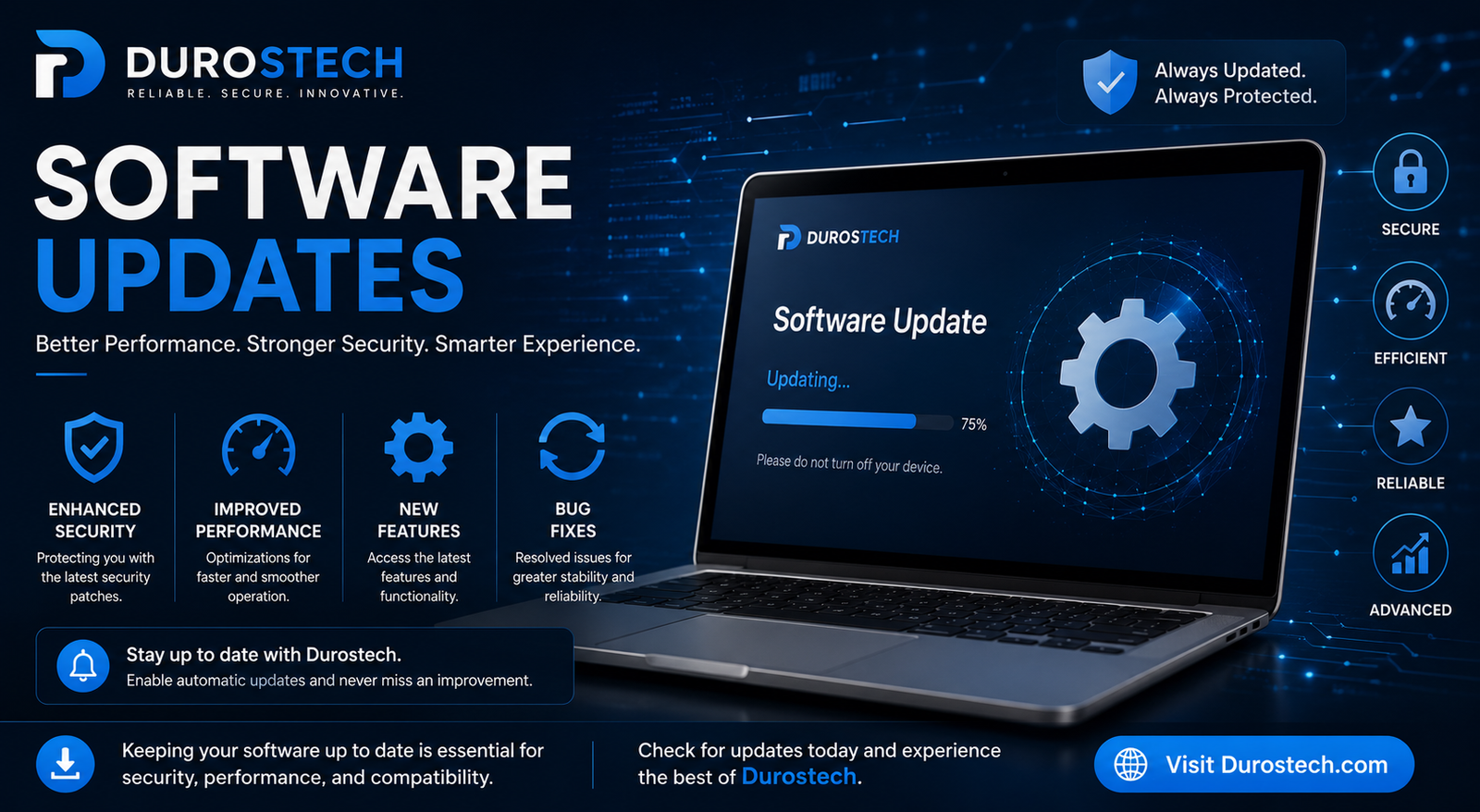
Software Updates Durostech Modern businesses and everyday users rely on technology that evolves constantly. From cybersecurity improvements to interface refinements, software updates now play a critical role in maintaining stable digital ecosystems. Understanding how software updates function within the Durostech environment can help users maximize performance, protect sensitive data, and avoid unnecessary technical disruptions.
The phrase “software updates durostech” has gained attention among users searching for smarter update management, optimized workflows, and better device longevity. Whether you manage enterprise infrastructure, operate small business systems, or simply want smoother software experiences, understanding update strategies can dramatically improve efficiency and digital resilience.
Why Software Updates Matter More Than Ever
Software updates are no longer optional maintenance tasks performed occasionally by IT departments. They now represent an essential layer of cybersecurity defense, system optimization, and feature enhancement across every connected device and digital platform.
Within the growing ecosystem surrounding software updates durostech, organizations increasingly prioritize automated deployment models, real-time patching systems, and intelligent version management. These processes reduce vulnerabilities while ensuring that applications continue performing efficiently under evolving workloads and security standards.
The Evolution of Modern Software Maintenance
In earlier computing eras, updates often arrived infrequently and required manual installation through physical media or lengthy downloads. Modern software ecosystems now deliver continuous deployment pipelines, cloud-synchronized patches, and near-instant update rollouts designed to minimize downtime.
The rise of software updates durostech reflects this broader shift toward agile software maintenance. Users expect seamless improvements without interrupting productivity, while developers focus on delivering security patches, compatibility fixes, and performance refinements through streamlined update infrastructures.
Understanding the Core Purpose of Software Updates
Every software update serves one or more strategic purposes within a digital environment. Some updates repair known vulnerabilities, while others enhance usability, improve speed, or introduce entirely new capabilities designed to support changing user expectations.
The software updates durostech framework emphasizes balancing security and usability simultaneously. Effective update systems avoid overwhelming users with unnecessary complexity while still ensuring critical protections are deployed rapidly across devices and operational environments.
Security Patches and Cyber Threat Prevention
Cybersecurity remains one of the strongest arguments for maintaining updated systems. Threat actors constantly search for exploitable weaknesses in operating systems, applications, and network-connected services that have not received recent security patches.
A strong software updates durostech strategy reduces exposure to ransomware, phishing exploitation, remote execution attacks, and credential theft. Organizations that delay updates frequently become easier targets because attackers often exploit publicly documented vulnerabilities already fixed in newer versions.
Performance Optimization Through Regular Updates
Many users assume updates only exist to repair problems, but developers also use updates to improve resource efficiency and application responsiveness. Optimized code structures can significantly reduce memory consumption, battery drain, and processing delays.
Users researching software updates durostech often seek better system stability alongside stronger performance metrics. Improved update management can reduce crashes, accelerate workflows, and extend hardware lifespan by ensuring applications remain optimized for current operating environments.
How Durostech Update Ecosystems Typically Operate
Modern update ecosystems rely on layered deployment models that include testing environments, staged rollouts, and compatibility verification. These mechanisms help prevent large-scale disruptions while allowing developers to identify problems before universal deployment.
The software updates durostech ecosystem commonly emphasizes automation and centralized control. This approach allows businesses and technical teams to manage updates consistently across multiple devices, reducing configuration inconsistencies and improving operational oversight.
Key Components of an Effective Update Strategy
Successful software maintenance involves more than simply clicking an update button whenever notifications appear. Effective strategies include version control policies, backup systems, rollout scheduling, and monitoring tools capable of identifying update-related issues quickly.
Organizations implementing software updates durostech workflows often combine automation with selective oversight. This hybrid approach allows essential security updates to deploy rapidly while ensuring mission-critical applications undergo compatibility testing before widespread installation.
Common Types of Software Updates
Not every update performs the same function, and understanding these categories helps users make better maintenance decisions. Security patches focus on vulnerabilities, while feature updates introduce functionality improvements or interface redesigns.
The software updates durostech environment commonly includes cumulative updates, firmware updates, driver optimizations, and compatibility patches. Recognizing these distinctions allows users to prioritize installations based on urgency, risk level, and operational impact.
Comparing Different Software Update Categories
| Update Type | Primary Purpose | Typical Frequency | Risk Level if Ignored | User Impact |
| Security Patches | Fix vulnerabilities | Frequent | High | Improved protection |
| Feature Updates | Add capabilities | Moderate | Medium | Better usability |
| Driver Updates | Improve hardware communication | Occasional | Medium | Enhanced performance |
| Firmware Updates | Upgrade hardware-level systems | Rare | High | Stability and compatibility |
| Bug Fixes | Resolve operational issues | Frequent | Medium | Fewer crashes |
| Compatibility Updates | Support newer systems | Moderate | Medium | Better integration |
This breakdown helps users navigating software updates durostech systems understand why different updates carry different urgency levels and operational priorities.
The Role of Automation in Modern Updates
Automation has transformed how organizations manage complex software ecosystems. Instead of relying entirely on manual deployment, intelligent systems can now schedule, distribute, verify, and monitor updates across thousands of devices simultaneously.
Businesses implementing software updates durostech practices frequently use automation to reduce human error and accelerate vulnerability remediation. Automated systems also improve consistency by ensuring devices receive standardized updates according to organizational policy requirements.
Why Businesses Prioritize Centralized Update Management
Large organizations often operate hundreds or thousands of endpoints across multiple geographic locations. Without centralized oversight, inconsistent update practices can create severe cybersecurity risks and operational inefficiencies.
Centralized software updates durostech systems allow administrators to monitor deployment status, detect failed installations, and enforce compliance standards. This visibility becomes especially valuable in industries where regulatory frameworks require strong cybersecurity governance.
Balancing Stability and Innovation
One of the greatest challenges in software maintenance involves balancing innovation with operational reliability. Rapid updates may deliver valuable features quickly, but excessive change can disrupt established workflows or introduce compatibility concerns.
The software updates durostech philosophy often centers on controlled modernization. Organizations seek the benefits of innovation while maintaining predictable operational stability through phased rollouts and comprehensive testing environments.
The Importance of Compatibility Testing
Compatibility issues remain a major concern whenever updates affect integrated software ecosystems. An update that improves one application may inadvertently disrupt another if dependencies or configurations conflict.
Strong software updates durostech strategies include sandbox testing and pilot deployments before organization-wide distribution. These precautions reduce the likelihood of widespread disruptions while providing technical teams with time to address compatibility concerns proactively.
Mobile Devices and Update Expectations
Mobile technology has dramatically increased user expectations regarding seamless updates. Smartphone users now expect patches and enhancements to install quietly in the background without interrupting daily activities.
This consumer-driven expectation influences software updates durostech practices across broader technology sectors. Enterprises increasingly adopt silent deployment models and low-disruption update mechanisms to improve user experience while maintaining security compliance.
Cloud Computing and Continuous Deployment
Cloud computing environments have fundamentally reshaped update distribution models. Cloud-native platforms often receive continuous enhancements without requiring manual installations or prolonged maintenance windows.
The rise of cloud infrastructure within software updates durostech ecosystems enables faster innovation cycles and more responsive vulnerability management. Organizations benefit from reduced downtime while maintaining access to the latest performance and security improvements.
Common Misconceptions About Software Updates
Many users postpone updates because they fear slower performance, compatibility issues, or disruptive interface changes. While occasional update problems can occur, outdated systems generally create far greater long-term risks than updated ones.
A persistent misconception surrounding software updates durostech environments is that older stable versions are always safer. In reality, unsupported software often becomes increasingly vulnerable because newly discovered exploits remain unpatched indefinitely.
The Relationship Between Updates and System Lifespan
Regular updates can significantly extend the usable life of devices and applications. Performance optimizations, compatibility improvements, and resource efficiency enhancements help older hardware remain functional longer than expected.
Users adopting software updates durostech best practices often discover that disciplined maintenance delays expensive hardware replacement cycles. Efficient update management therefore supports both operational continuity and long-term cost reduction.
How Updates Improve User Experience
Modern updates frequently include interface refinements designed to improve usability, accessibility, and workflow efficiency. Small adjustments to navigation, responsiveness, and customization features can dramatically improve productivity over time.
The software updates durostech ecosystem increasingly emphasizes user-centric improvements alongside technical enhancements. Developers recognize that intuitive interfaces and smoother workflows contribute directly to higher engagement and customer satisfaction.
Enterprise Security and Compliance Requirements
Industries such as healthcare, finance, and government operate under strict compliance standards requiring timely vulnerability management and documented security controls. Failure to maintain updated systems can create both legal and financial consequences.
Organizations leveraging software updates durostech frameworks often integrate update reporting tools with compliance monitoring systems. This integration simplifies audits while demonstrating proactive cybersecurity governance to regulators and stakeholders.
Managing Update Fatigue Among Users
Frequent notifications and repetitive installation prompts can create update fatigue, leading users to ignore or postpone important patches. This behavioral challenge has become increasingly significant as software ecosystems grow more interconnected.
Effective software updates durostech systems minimize unnecessary interruptions through intelligent scheduling and streamlined user experiences. Reducing friction encourages stronger adoption rates and improves overall cybersecurity resilience.
The Importance of Backup Systems Before Updates
Even well-tested updates occasionally produce unexpected issues, particularly within complex enterprise environments containing customized configurations or legacy integrations. Reliable backup procedures remain essential safeguards during any major deployment process.
Professionals working with software updates durostech infrastructures often implement automated rollback capabilities and recovery snapshots. These precautions ensure organizations can restore operations quickly if an update introduces instability or compatibility conflicts.
Artificial Intelligence and Predictive Update Management
Artificial intelligence increasingly influences how update systems prioritize vulnerabilities, detect anomalies, and predict deployment outcomes. Machine learning tools can identify patterns that help organizations allocate resources more effectively.
The future of software updates durostech likely includes predictive maintenance systems capable of anticipating failures before they occur. Intelligent automation may soon recommend optimal deployment timing based on workload analysis and behavioral usage patterns.
Endpoint Management in Distributed Work Environments
Remote work environments have complicated software maintenance because employees now access corporate systems from multiple locations, devices, and network conditions. Maintaining consistent update coverage across distributed infrastructures presents significant logistical challenges.
Modern software updates durostech solutions often incorporate cloud-based endpoint management platforms that allow centralized oversight regardless of employee location. This flexibility supports hybrid work models while maintaining organizational security standards.
How Delayed Updates Increase Operational Risk
Delaying critical updates creates compounding vulnerabilities over time. Attackers actively monitor disclosed software flaws and frequently develop automated tools designed to exploit systems lacking current security patches.
Within software updates durostech ecosystems, proactive maintenance reduces the window of vulnerability dramatically. Timely deployment strategies help organizations stay ahead of emerging threats rather than reacting after incidents occur.
Consumer Expectations and Instant Software Improvements
Today’s users expect software experiences to evolve continuously. Applications that remain stagnant for long periods often appear outdated or unreliable compared to competitors delivering regular enhancements and refinements.
The growing popularity of software updates durostech reflects broader consumer demand for adaptive digital experiences. Frequent yet stable updates signal active development, ongoing support, and long-term product reliability.
The Financial Impact of Poor Update Practices
Ignoring updates can create expensive operational consequences, including data breaches, productivity losses, downtime, and emergency recovery costs. Many organizations underestimate how quickly outdated systems can become liabilities.
Businesses investing in software updates durostech methodologies often reduce incident response expenses significantly. Preventive maintenance typically costs far less than recovering from ransomware attacks, system failures, or compliance violations.
Firmware Updates and Hardware Stability
Firmware updates operate at a deeper system level than traditional application patches. These updates can improve hardware compatibility, enhance security protections, and resolve low-level operational inconsistencies affecting performance.
The software updates durostech landscape increasingly recognizes firmware maintenance as an essential cybersecurity practice rather than a niche technical concern. Connected devices and IoT systems especially depend on secure firmware management.
Software Updates in the Internet of Things Era
The expansion of smart devices has introduced millions of additional endpoints requiring consistent maintenance and protection. Many IoT products historically suffered from poor update support, creating persistent security vulnerabilities.
Modern software updates durostech strategies increasingly incorporate IoT lifecycle management to ensure connected devices receive ongoing support. Smart infrastructure depends heavily on reliable update ecosystems capable of securing distributed networks effectively.
Why Transparency Builds User Trust
Users are more likely to install updates when developers communicate clearly about changes, benefits, and known issues. Transparent release notes and realistic expectations help reduce frustration and uncertainty.
Strong communication practices within software updates durostech systems improve user confidence and adoption rates. Clear explanations transform updates from perceived inconveniences into recognized tools for security and productivity improvement.
Reducing Downtime During Major Deployments
Large-scale updates can disrupt workflows if deployed without careful planning. Businesses often schedule maintenance windows strategically to minimize operational interruptions and reduce productivity losses.
Organizations managing software updates durostech deployments frequently rely on staged rollouts and load balancing techniques. These methods distribute update traffic efficiently while preventing infrastructure overload during major release cycles.
The Growing Importance of Zero-Day Patch Response
Zero-day vulnerabilities represent security flaws actively exploited before official fixes become widely available. Rapid response capabilities are essential because attackers often move quickly once vulnerabilities are discovered.
The software updates durostech ecosystem prioritizes accelerated patch deployment for high-risk threats. Fast response mechanisms significantly reduce exposure during periods when exploit activity intensifies across global networks.
Open Source Software and Update Responsibilities
Open source software offers flexibility and innovation, but organizations must maintain disciplined update practices to avoid unsupported dependencies and outdated libraries. Community-driven projects often release patches rapidly, requiring active monitoring.
Businesses integrating open source tools into software updates durostech workflows typically establish governance policies to track versions and ensure timely maintenance. Proper oversight helps organizations benefit from open ecosystems without sacrificing security.
The Human Element in Update Management
Technology alone cannot guarantee successful update adoption. Organizational culture, employee awareness, and leadership support all influence whether maintenance practices remain consistent and effective over time.
One cybersecurity expert summarized the issue clearly: “The biggest vulnerability in most systems is delayed action, not missing technology.” This observation aligns closely with software updates durostech principles emphasizing proactive maintenance and user accountability.
User Education and Update Adoption
Many update-related failures occur because users misunderstand the purpose or urgency of maintenance notifications. Education initiatives can dramatically improve compliance and reduce risky postponement behaviors.
Organizations implementing software updates durostech frameworks often provide simple guidance explaining how updates improve security, performance, and operational continuity. Empowered users become stronger participants in maintaining secure environments.
Why Legacy Systems Create Persistent Challenges
Older systems frequently depend on outdated software that may no longer receive vendor support. These environments create long-term operational and cybersecurity risks because vulnerabilities remain unresolved indefinitely.
Software updates durostech strategies often include modernization roadmaps designed to reduce dependency on unsupported infrastructure. Gradual migration planning helps organizations improve resilience without causing sudden operational disruptions.
The Relationship Between Updates and Digital Transformation
Digital transformation initiatives depend heavily on stable, secure, and adaptable software ecosystems. Outdated systems often limit innovation because compatibility constraints prevent integration with modern technologies and workflows.
Businesses embracing software updates durostech principles typically experience smoother digital transformation journeys. Consistent maintenance creates flexible infrastructure capable of supporting emerging technologies and evolving operational requirements.
Best Practices for Managing Software Updates
Successful update management combines automation, monitoring, communication, and strategic planning. Organizations that treat updates as ongoing operational priorities generally experience fewer disruptions and stronger cybersecurity outcomes.
The most effective software updates durostech workflows include scheduled audits, backup verification, staged testing, and performance monitoring. Consistency matters more than occasional emergency patching because proactive maintenance reduces cumulative technical debt.
Small Businesses and Scalable Update Solutions
Small businesses often lack dedicated IT departments, making simplified update systems especially valuable. Automated tools and managed services help smaller organizations maintain security without requiring extensive technical expertise.
The accessibility of software updates durostech solutions enables smaller companies to adopt enterprise-level maintenance standards affordably. This democratization of cybersecurity infrastructure reduces risk across increasingly interconnected business ecosystems.
Consumer Devices and Automatic Update Settings
Automatic updates remain one of the simplest ways for everyday users to improve security posture. Many consumers still disable these features, often due to bandwidth concerns or fear of interface changes.
Modern software updates durostech systems increasingly prioritize lightweight deployment models that minimize disruption while maintaining strong protection standards. Better optimization encourages users to keep automatic updates enabled consistently.
Data Protection and Update Reliability
Data integrity remains a critical concern during update processes, especially when updates modify databases, file systems, or sensitive configurations. Corrupted deployments can create serious operational setbacks if safeguards are absent.
Robust software updates durostech infrastructures often include verification protocols and integrity checks that confirm updates install correctly. These protections reduce the likelihood of corruption and improve deployment reliability across large environments.
The Competitive Advantage of Reliable Maintenance
Companies known for reliable updates often build stronger customer loyalty because users associate ongoing support with product quality and long-term dependability. Consistent maintenance demonstrates commitment to user experience and operational excellence.
The growing reputation of software updates durostech reflects broader market demand for dependable technology ecosystems. Reliable maintenance practices increasingly influence purchasing decisions and brand perception across competitive industries.
Future Trends Shaping Software Update Ecosystems
Emerging technologies such as edge computing, AI-driven automation, and decentralized infrastructure will continue reshaping how updates are distributed and managed. Update systems are becoming smarter, faster, and increasingly autonomous.
The future of software updates durostech likely involves predictive patching, adaptive deployment scheduling, and context-aware maintenance systems capable of minimizing disruption automatically while maximizing cybersecurity readiness.
Conclusion
Software maintenance has evolved from a simple technical task into a foundational component of cybersecurity, operational continuity, and digital innovation. Organizations and individual users alike depend on consistent updates to maintain secure, efficient, and reliable technology environments in an increasingly connected world.
The growing interest in software updates durostech reflects a broader recognition that proactive maintenance is essential for long-term digital success. From performance optimization and compliance management to AI-driven automation and predictive security, effective update strategies now influence every layer of modern computing infrastructure.
FAQ
What does software updates durostech refer to?
Software updates durostech generally refers to update management practices, systems, and strategies associated with maintaining secure, optimized, and reliable software environments.
Why are software updates important for cybersecurity?
Software updates fix vulnerabilities that attackers can exploit. Keeping systems current reduces exposure to malware, ransomware, and unauthorized access attempts.
How often should businesses install updates?
Businesses should install critical security patches immediately whenever possible, while scheduling broader feature updates through controlled testing and deployment cycles.
Can software updates improve device performance?
Yes, many updates optimize resource usage, improve stability, reduce crashes, and enhance overall responsiveness across applications and operating systems.
Are automatic updates better than manual updates?
Automatic updates usually provide stronger security because they reduce delays and ensure important patches are deployed consistently across devices.
What risks come from ignoring updates?
Ignoring updates can lead to cybersecurity breaches, compatibility issues, performance degradation, compliance failures, and expensive operational disruptions involving outdated systems.
You May Also Read Geekzilla Tio Geek


